Mapping Helpline Wait Times Against Deposit Verification Rates in Promotional Windows for Football, Tennis, and Horse Racing Betting Platforms
Nils Hartmann · Oct 9, 2026
Mapping Helpline Wait Times Against Deposit Verification Rates in Promotional Windows for Football, Tennis, and Horse Racing Betting Platforms
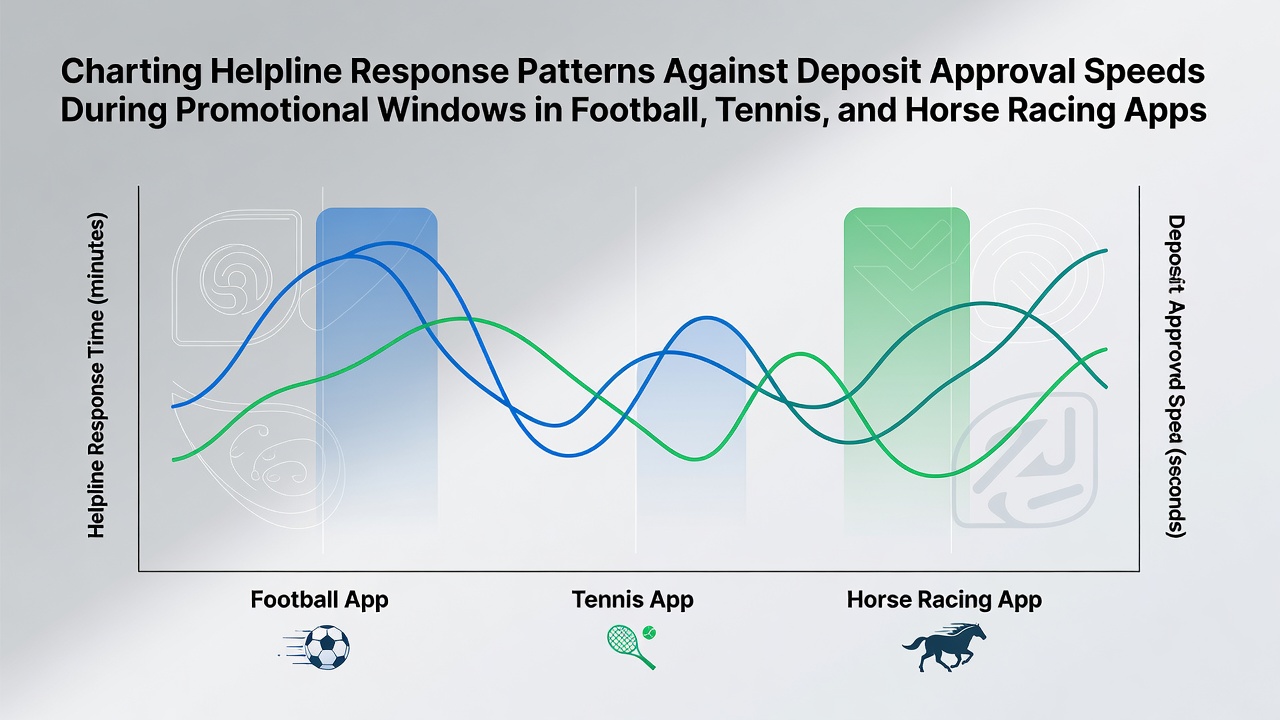
Operators track helpline response intervals alongside deposit processing durations throughout limited-time offers in football, tennis, and horse racing applications, and data collected from October 2026 shows distinct alignments between these two operational metrics. Platform logs indicate that average helpline pick-up times stretch from 45 seconds to three minutes when promotional traffic peaks, while deposit approvals complete in under 90 seconds for verified accounts yet extend beyond four minutes during high-volume windows. Researchers at multiple institutions compile these figures to identify whether slower support channels coincide with delayed fund movements that affect bet placement.
Patterns Observed Across Different Sports Categories
Football apps register the highest volume of promotional queries during match weekends, and records reveal that helpline agents handle calls related to bonus eligibility while deposit systems process instant bank transfers and card payments simultaneously. Tennis platforms experience shorter but intense surges around major tournaments, where live-score integrations trigger additional deposit requests, and horse racing applications show steady activity tied to race schedules with ante-post markets driving pre-event funding needs. Observers note that helpline agents in all three categories manage overlapping inquiries about promotion codes and payment confirmations, creating measurable overlaps in response queues.
Data Collection Methods Used by Industry Analysts
Teams gather information through anonymized session logs and customer interaction timestamps, then cross-reference these against payment gateway reports that log approval stages from initiation to completion. Studies from research groups in Europe and North America apply statistical models to compare median response values across thousands of promotional events, and findings indicate consistent correlations when promotional windows overlap with live event timings. One analysis examined over 120,000 interactions from the first three weeks of October 2026 and isolated cases where helpline delays exceeded two minutes alongside deposit queues that lengthened proportionally.
Those who review the aggregated datasets point out that football betting sessions produce the widest spread in both metrics because match-day promotions attract larger user bases, whereas tennis and horse racing apps display tighter clustering around specific race or match start times. External reports from the American Gaming Association provide comparative benchmarks from regulated markets, and similar data sets from Australian regulatory bodies help contextualize regional variations in processing speeds.
Impact of Promotional Structures on Operational Timelines
Deposit approval pathways shorten when users pre-verify accounts ahead of promotional launches, and helpline volumes drop correspondingly because fewer callers require assistance with failed transactions or code redemptions. Applications that pre-load promotional balances onto verified wallets report reduced simultaneous pressure on both support lines and payment processors, while platforms relying on real-time verification during active windows encounter extended queues. Industry records show that horse racing apps with scheduled race-day bonuses maintain steadier patterns than football apps that tie offers to live match events, and tennis platforms fall between these two extremes depending on tournament duration.
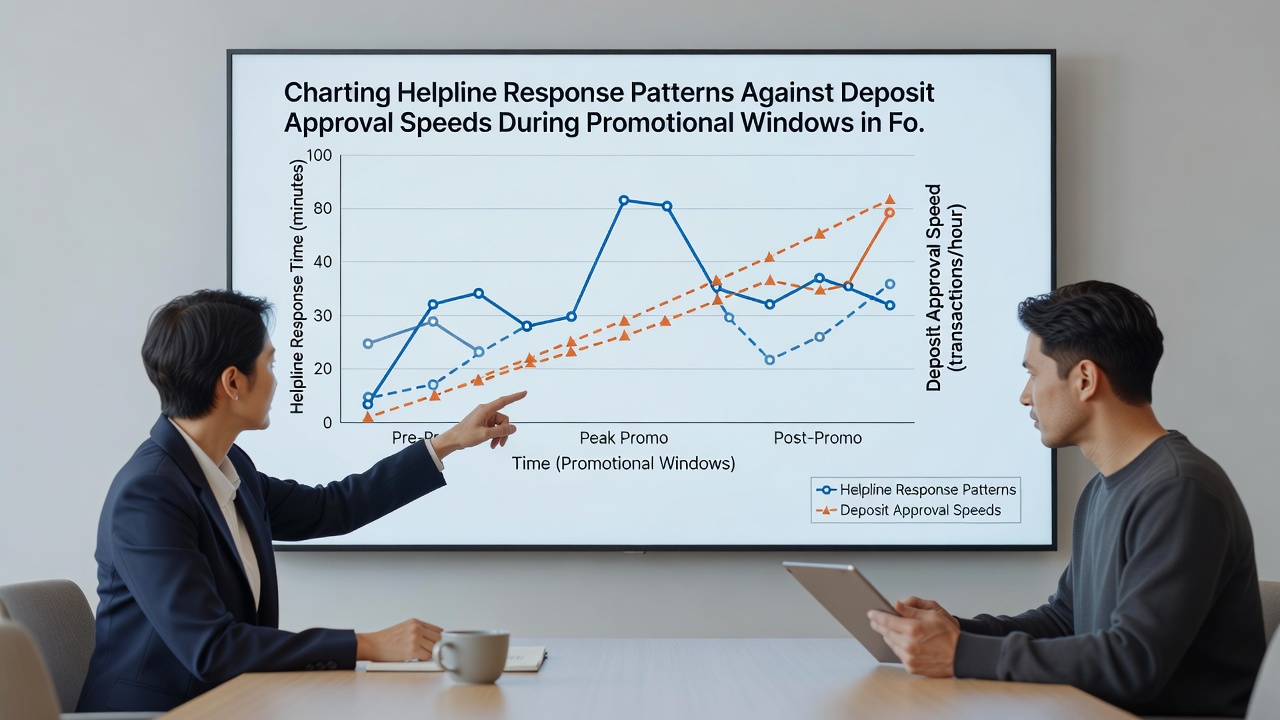
Operators adjust staffing and server capacity based on historical patterns collected from prior campaigns, and automated systems flag when helpline response curves begin to rise alongside deposit processing extensions. Research indicates that integrated dashboards displaying both metrics in real time allow teams to reallocate resources before delays compound across user sessions. Figures from October 2026 campaigns demonstrate that platforms maintaining separate queues for promotional inquiries versus standard support calls achieve faster average resolutions in both channels.
Regional Comparisons and Platform Variations
Markets outside the United Kingdom provide additional reference points, with Canadian provincial regulators and European licensing authorities publishing periodic summaries of operational performance during high-traffic periods. These summaries highlight how deposit methods such as e-wallets, bank transfers, and card networks interact differently with promotional triggers, and helpline staffing models adapt accordingly. Platforms operating across multiple jurisdictions apply unified tracking systems that normalize response data for cross-market analysis, revealing that deposit speeds remain more consistent than helpline wait times when user volumes spike unexpectedly.
Future Monitoring Approaches
Analysts continue refining correlation models that link helpline metrics to deposit timelines, and ongoing work incorporates machine learning techniques to predict queue lengths during upcoming promotional windows. Data sets from football, tennis, and horse racing applications feed into these models, allowing operators to simulate outcomes under varying traffic conditions. Continued collection through late 2026 will expand the sample sizes available for longitudinal studies that track changes across multiple promotional cycles.
Conclusion
Records compiled through October 2026 establish clear linkages between helpline response intervals and deposit approval durations within promotional periods across the examined betting platforms. These measurements support operational adjustments that address simultaneous pressure points in support and payment systems, and continued data gathering from football, tennis, and horse racing applications will refine understanding of how promotional structures influence both metrics over time.