Mapping Deposit Processing Durations to Live Wager Resolutions in Mobile Casino and Sports Applications with Built-in Restriction Tools
Jakob Patterson · Nov 6, 2026
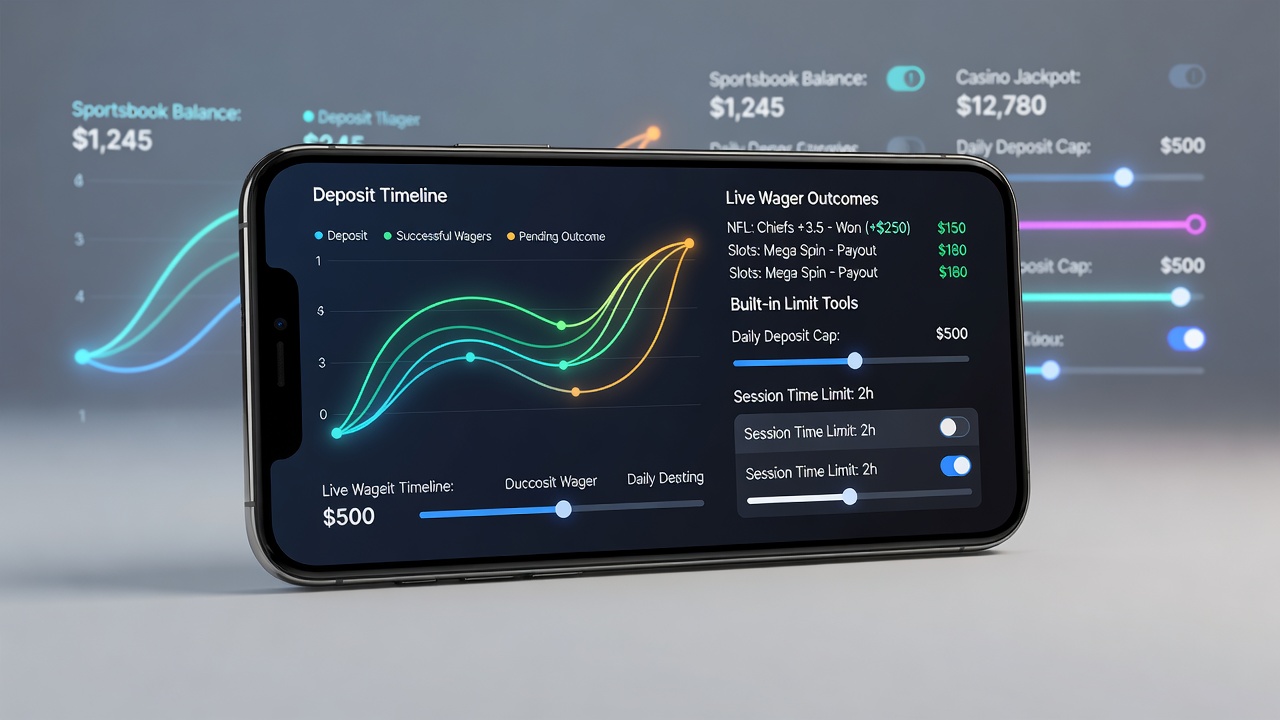
Mapping Deposit Processing Durations to Live Wager Resolutions in Mobile Casino and Sports Applications with Built-in Restriction Tools
Operators in mobile casino and sports environments track deposit processing durations alongside live wager resolutions through integrated systems that record timestamps from funding initiation to bet settlement, and these records help identify patterns in user activity across different game types and betting formats while built-in limit tools allow users to set parameters that automatically pause or restrict further deposits once thresholds are reached.
Data from platform analytics in November 2026 shows that credit card deposits typically complete within 30 seconds to two minutes in most regulated markets, whereas e-wallet transfers often finalize in under 15 seconds, yet bank transfers can extend to several hours depending on the financial institution involved, and these variations influence the timing of live bet placements in fast-moving events such as in-play football matches or casino table games where outcomes shift rapidly.
Processing Windows and Their Relation to Outcome Tracking
Systems log each deposit event against subsequent wager results by matching account funding times with bet placement records and settlement data, which reveals that shorter processing windows correlate with higher volumes of consecutive live bets in sports environments while longer windows tend to limit the number of in-play decisions users make before funds become available again. Built-in restriction tools operate by monitoring cumulative deposit amounts over set intervals and enforcing pauses that prevent additional funding until the period resets or manual overrides occur under predefined conditions.
One industry report from the European Gaming and Betting Association indicates that platforms using real-time monitoring achieve consistent alignment between deposit logs and wager histories, and this alignment supports compliance with regional requirements for transparency in mobile applications. Observers note that users who activate spending caps experience fewer instances of rapid successive deposits during live casino sessions compared to those without active limits, because the tools interrupt the cycle at predetermined points.
Implementation Across Mobile Platforms
Mobile applications incorporate these charting mechanisms through backend databases that timestamp every transaction and link it to specific game or event identifiers, so analysts can generate reports showing deposit-to-outcome sequences for individual accounts or aggregated user groups. In sports betting modules the system flags cases where deposits occur immediately before high-volatility live markets open, whereas casino modules track sequences during continuous play rounds such as roulette spins or slot cycles.
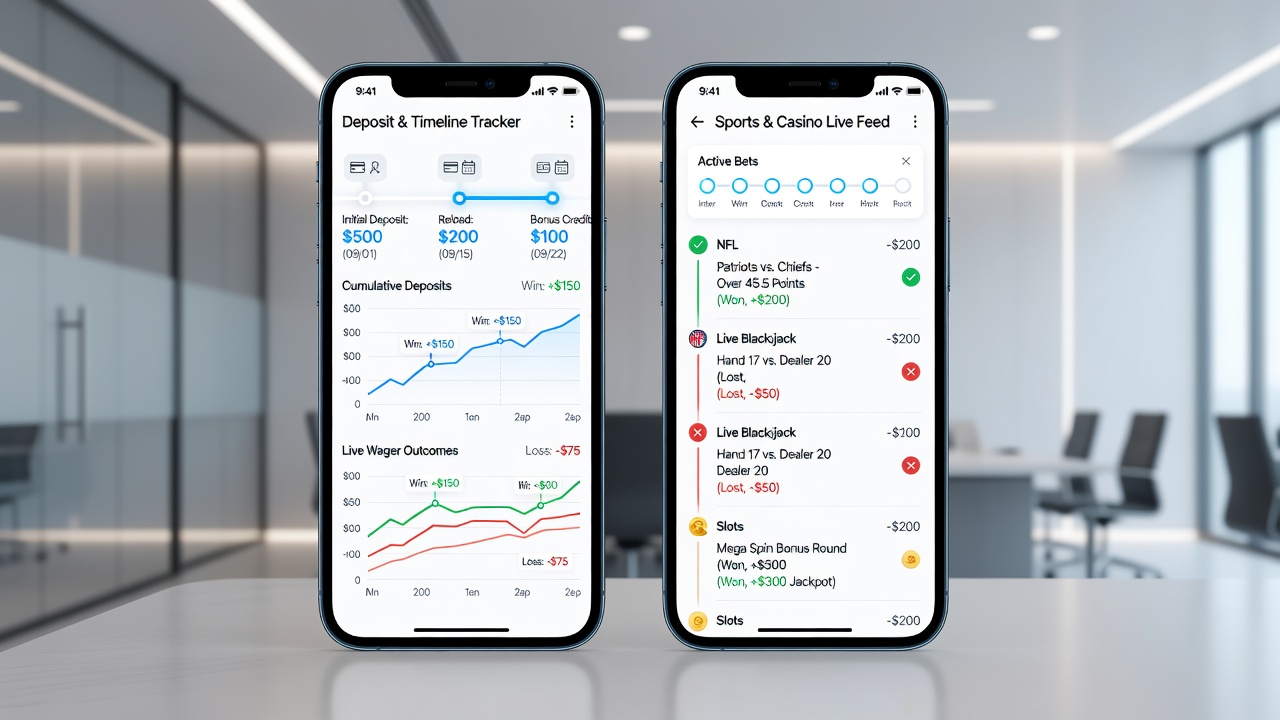
Built-in limit tools include daily, weekly, and monthly deposit ceilings as well as loss-based triggers that halt activity once net losses reach a user-defined amount, and these features integrate directly with the charting functions to produce alerts when timelines approach critical points. Research from the National Council on Problem Gambling in the United States highlights that such integrated controls reduce the frequency of deposits exceeding planned amounts in both casino and sports contexts.
Regional Variations in November 2026 Data
Records compiled across multiple jurisdictions during November 2026 demonstrate that e-wallet dominance in European markets leads to tighter clustering of deposit events around live event starts, while North American platforms relying more on card and bank methods show wider gaps between funding and first live wager, and these differences appear in outcome distribution charts that compare win rates across varied processing speeds. Australian regulatory summaries from the same period further indicate that applications with visible limit dashboards see increased user engagement with restriction settings, particularly when timelines between deposits and resolutions are displayed in user dashboards.
Platform operators maintain separate logs for each payment method so that comparisons can isolate whether processing speed itself affects wager frequency or whether user behavior patterns drive the observed sequences, and this separation allows precise adjustments to limit tool sensitivity without altering core payment flows.
Conclusion
Charting deposit timelines against live wager outcomes provides operators and users with structured visibility into funding patterns within mobile casino and sports environments, and the incorporation of built-in limit tools ensures that these timelines remain bounded by user-selected parameters that automatically enforce pauses or caps at defined points. The alignment of transaction data with outcome records continues to support operational compliance and user oversight across diverse markets as platforms refine these integrated features through ongoing data collection.