Following the Money: Payment Pathways and Security Measures in Gambling Venues
Nils Hartmann · Oct 23, 2026
Following the Money: Payment Pathways and Security Measures in Gambling Venues
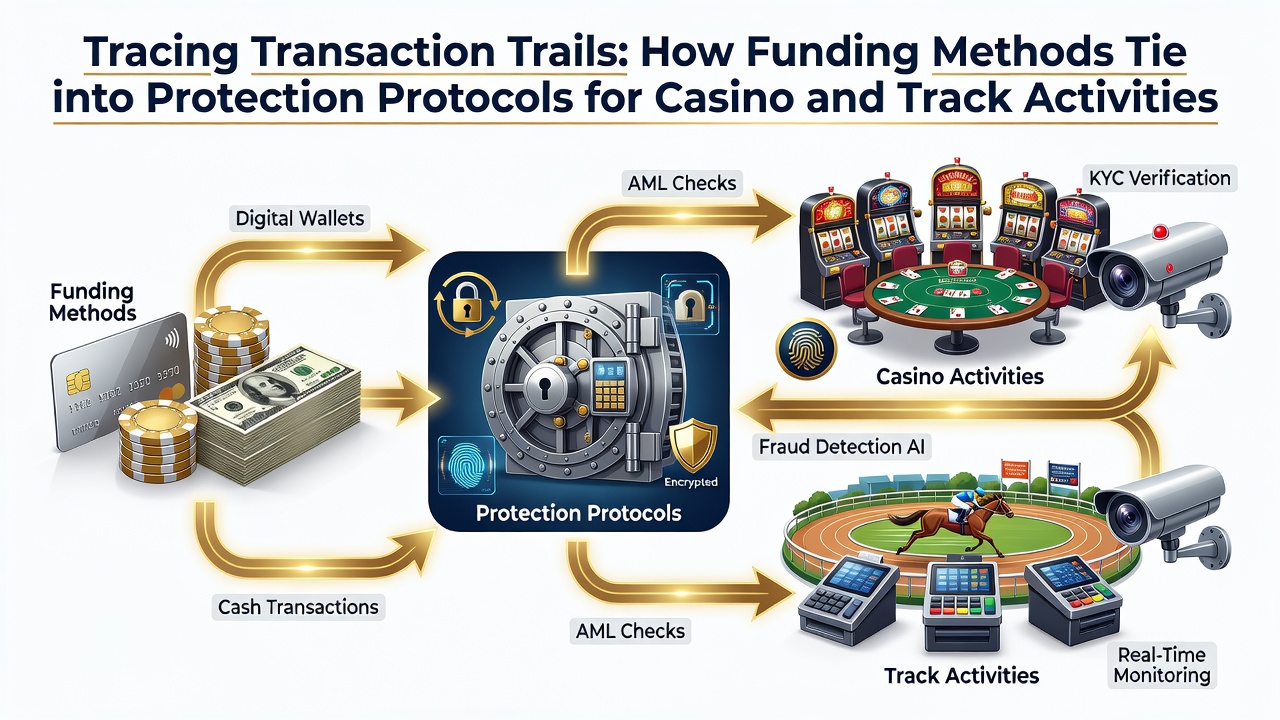
Payment methods in casino and racetrack operations create detailed records that operators use to enforce protection protocols, and these systems track deposits, withdrawals, and transfers to identify patterns of activity that may require intervention. Financial institutions, e-wallets, and card networks supply the initial data points, while software platforms consolidate them into usable trails for compliance teams.
Common Funding Methods and Their Documentation Trails
Bank transfers generate extensive metadata including account numbers, timestamps, and originating institutions, which operators cross-reference against customer profiles during verification steps. Credit and debit cards add layers of information from issuing banks, and these details feed into real-time authorization checks that flag transactions exceeding set thresholds. E-wallet services such as digital payment apps contribute transaction histories that operators review for velocity patterns, and cryptocurrency options produce blockchain entries that specialized tools parse for wallet linkages.
Prepaid vouchers and money orders leave shorter digital footprints, yet operators still record serial numbers and redemption times to maintain continuity in the audit chain. Data from these sources integrates into centralized ledgers where algorithms scan for anomalies such as rapid successive deposits or mismatched geographic indicators.
Integration with Anti-Money Laundering and Fraud Detection
Operators apply transaction monitoring rules that trigger alerts when funding sequences deviate from established norms, and these rules draw directly from the payment method data to calculate risk scores. For instance, multiple small deposits from the same card over a short period may activate enhanced due diligence procedures, while large single transfers prompt source-of-funds inquiries. Regulatory frameworks in various jurisdictions require retention of these records for set periods, and this retention enables retrospective analysis when external agencies request information.
According to reports from the Nevada Gaming Control Board, transaction monitoring systems have identified clusters of activity that warranted further review in licensed facilities. Similar approaches appear in other regions, where payment data helps distinguish between routine play and potential structuring attempts designed to evade reporting limits.
Responsible Gambling Tools Tied to Funding Sources
Deposit limits, cooling-off periods, and self-exclusion mechanisms link directly to the funding channels customers select, and operators configure these controls at the account level using the same payment profiles. When a user attempts to exceed a pre-set daily cap via a particular card or wallet, the system blocks the transaction and logs the attempt for staff review. Time-based restrictions operate alongside these financial controls, pausing access after specified intervals regardless of the payment method in use.
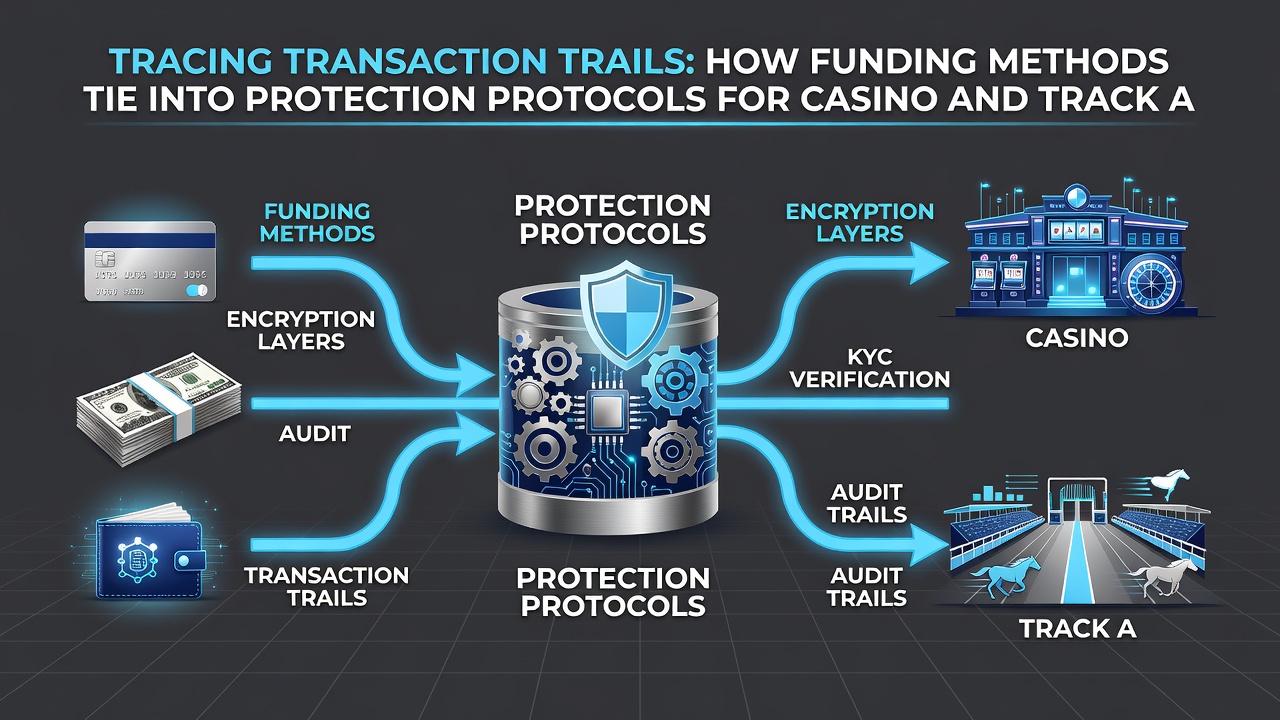
Research from institutions such as the University of Sydney's Gambling Treatment Clinic indicates that visible transaction histories help users recognize spending patterns, and operators present summarized statements drawn from payment records to support informed decisions. These statements aggregate data across methods, highlighting total amounts transferred within defined windows without revealing unrelated personal banking details.
Track and Casino Specific Applications
At racetracks, on-site betting terminals accept cash alongside electronic options, and the electronic trails from card or mobile payments allow operators to apply the same monitoring standards used in dedicated casino environments. Hybrid venues combine both, routing all non-cash transactions through unified systems that maintain consistent protection layers. October 2026 saw several operators update their platforms to incorporate enhanced API connections with payment processors, improving the speed at which alerts reach compliance teams during live events.
Case examples from facilities in Australia demonstrate how linking funding methods to exclusion lists prevented accounts tied to self-excluded individuals from receiving further deposits, and these blocks activated at the payment gateway level before funds reached the betting interface. European operators have adopted comparable architectures under directives from bodies such as the Malta Gaming Authority, where payment trail analysis forms part of routine audits.
Technical Infrastructure Supporting Traceability
Secure databases store hashed versions of payment identifiers alongside activity logs, and encryption protocols protect the data while allowing authorized queries for compliance purposes. Machine learning models trained on historical transaction sets refine detection thresholds, reducing false positives that previously consumed staff resources. Integration with external watchlists occurs at multiple points in the payment flow, and this multi-point checking catches entries that might slip through single-stage filters.
Industry associations including the European Gaming and Betting Association publish guidelines on data sharing practices that balance operational needs with privacy considerations, and member operators implement these recommendations through standardized reporting formats.
Conclusion
Payment method data supplies the raw material for protection protocols across casino and racetrack operations, enabling consistent application of monitoring, limit-setting, and reporting functions. Continued refinement of these linkages supports compliance with evolving requirements while preserving operational continuity for legitimate activity.